-1.png?width=180&height=120&name=Untitled%20design%20(5)-1.png "Origin Aqua White logo")

Eine Baugenehmigung ist das Erste, wonach die meisten Menschen bei Google suchen, wenn sie sich für den Bau eines Pools entscheiden. Die Antwort ist in der Regel eine gute Nachricht: Sie brauchen wahrscheinlich keine. Was die Leute jedoch oft überrascht, ist alles andere. Einige Entscheidungen beim Poolbau lassen sich kaum noch rückgängig machen, sobald der Beton einmal gegossen ist. Dieser Leitfaden behandelt sie alle.
Benötigt man in Großbritannien eine Baugenehmigung für einen Swimmingpool?
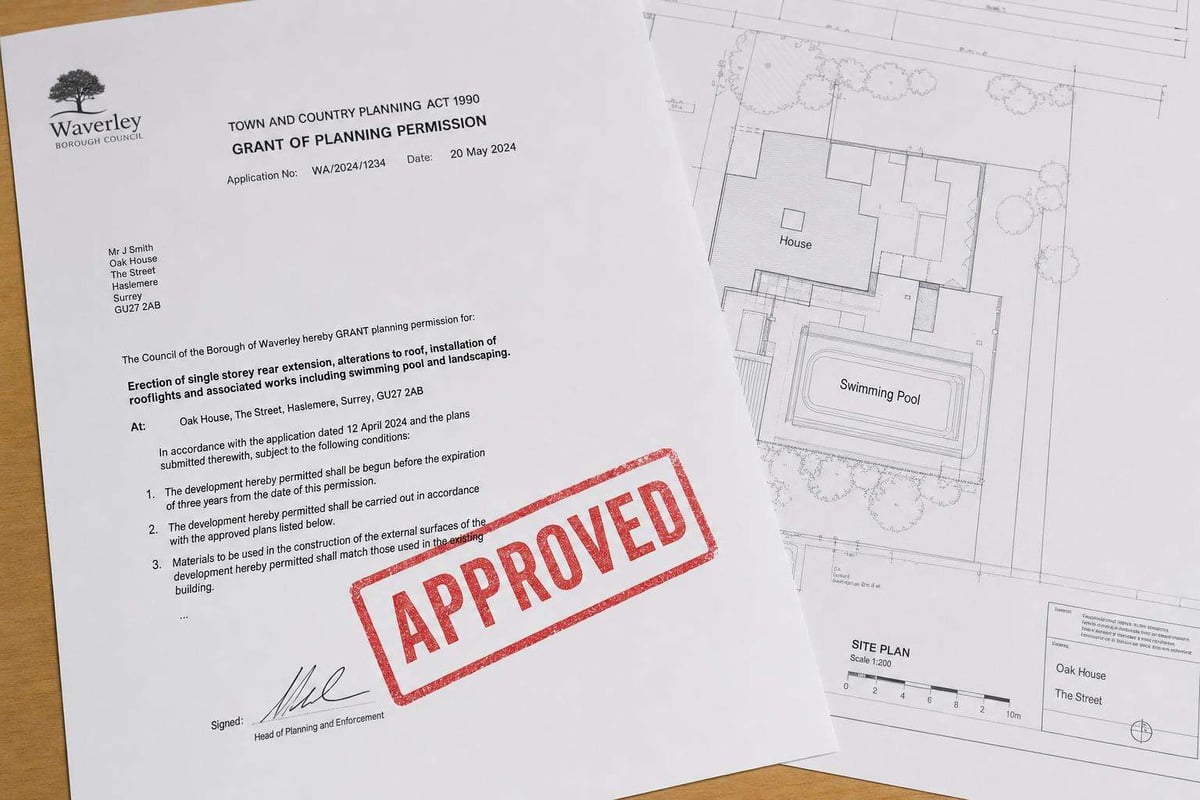
In den meisten Fällen nein. Ein Außenpool an einem Privathaus fällt in England unter die „Permitted Development Rights“ (Bauvorhaben, die keiner Genehmigung bedürfen). Sie können bauen, ohne eine Baugenehmigung zu beantragen, solange bestimmte Bedingungen erfüllt sind.
Die wichtigsten Bedingungen im Rahmen der genehmigungsfreien Bauvorhaben sind:
- Der Pool muss sich auf dem Grundstück des Wohnhauses befinden, also auf dem Gelände, das unmittelbar an das Haus angrenzt und mit diesem verbunden ist. Falls Ihr Gartengrundstück getrennt vom Hausgrundstück eingetragen ist, klären Sie dies bitte mit Ihrem Anwalt, bevor Sie fortfahren.
- Das Schwimmbecken muss der Nutzung des Hauses als Wohnraum dienen; es darf nicht gewerblich genutzt werden oder Einnahmen generieren.
- Der Pool und alle dazugehörigen Bauten dürfen nicht mehr als 50 % der gesamten Gartenfläche einnehmen.
- Die Immobilie darf kein denkmalgeschütztes Gebäude sein und sich nicht in einem Denkmalschutzgebiet, einem Nationalpark, einem Gebiet von außergewöhnlicher natürlicher Schönheit oder einem Weltkulturerbe befinden.
Falls Ihre Immobilie unter eine dieser Schutzkategorien fällt, müssen Sie vor Beginn der Arbeiten eine Baugenehmigung oder eine Genehmigung für denkmalgeschützte Gebäude beantragen.
Grenzvorschriften, gemeinsame Mauern und bauliche Einschränkungen
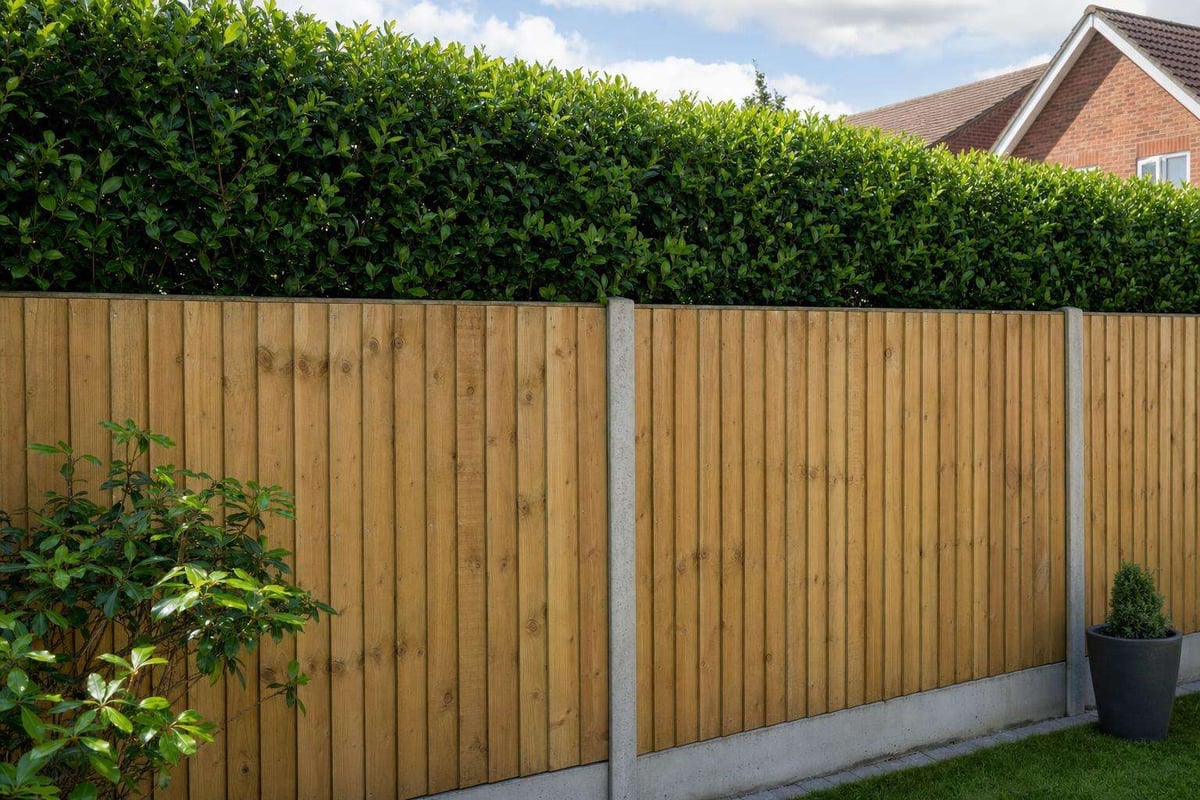
Im Rahmen der genehmigungsfreien Bebauung gibt es keinen Mindestabstand zwischen einem Schwimmbecken und einer Grundstücksgrenze. Wenn Sie jedoch planen, eine Schwimmbadüberdachung oder ein Poolhaus zu errichten, gilt für alle Bauwerke im Abstand von weniger als 2 Metern zur Grundstücksgrenze eine Höhenbeschränkung von 2,5 Metern. Dies wird gemeinhin als „2,5-Meter-Regel“ bezeichnet; sie regelt die Höhe von Bauwerken in der Nähe von Grundstücksgrenzen, nicht die Position des Schwimmbeckens selbst.
Beachten Sie: Das „Party Wall Act 1996“ (Gesetz über gemeinsame Mauern) kann ebenfalls zur Anwendung kommen, wenn Ihre Aushubarbeiten innerhalb von drei Metern zum Gebäude eines Nachbarn oder bei bestimmten Tiefen innerhalb von sechs Metern stattfinden. Wenn dies auf Ihr Grundstück zutrifft, müssen Sie vor Beginn der Erdarbeiten eine „Party Wall Notice“ (Mitteilung über gemeinsame Mauern) zustellen.
Baumschutzverordnungen sind ein weiteres häufiges Thema. Befinden sich geschützte Bäume im Bereich der Aushubarbeiten, muss die örtliche Bauaufsichtsbehörde benachrichtigt werden, auch wenn keine vollständige Baugenehmigung erforderlich ist.
Schottland, Wales und Nordirland

Die Vorschriften für genehmigungsfreie Bauvorhaben sind nicht im gesamten Vereinigten Königreich einheitlich. Schottland, Wales und Nordirland verfügen jeweils über eigene Planungssysteme mit unterschiedlichen Kriterien. Befindet sich Ihre Immobilie außerhalb von England, erkundigen Sie sich bitte bei der zuständigen Planungsbehörde, bevor Sie davon ausgehen, dass die Regelung für genehmigungsfreie Bauvorhaben gilt.
In Schottland ist die allgemeine Regelung ähnlich, doch unterscheiden sich die Schwellenwerte und Bedingungen. In Wales enthalten die „Technical Advice Notes“ spezifische Leitlinien. In Nordirland gilt die „Planning (General Development) Order“. Im Zweifelsfall ist eine Vorabauskunft bei Ihrer örtlichen Planungsbehörde kostenlos, dauert einige Wochen und beseitigt Unsicherheiten, bevor Sie sich auf einen Entwurf festlegen.
Entwässerung, Rückspülwasser und warum es wichtig ist
Ein Aspekt bei der Planung und dem Bau, der im Vorfeld selten thematisiert wird, ist die Frage, wohin das Rückspülwasser geleitet wird. Jedes Schwimmbad-Filtersystem führt regelmäßig eine Rückspülung des Filtermediums durch, wobei eine bestimmte Menge Abwasser anfällt. Wohin dieses Wasser geleitet wird und was es enthält, ist sowohl aus ökologischer als auch aus praktischer Sicht von Bedeutung.
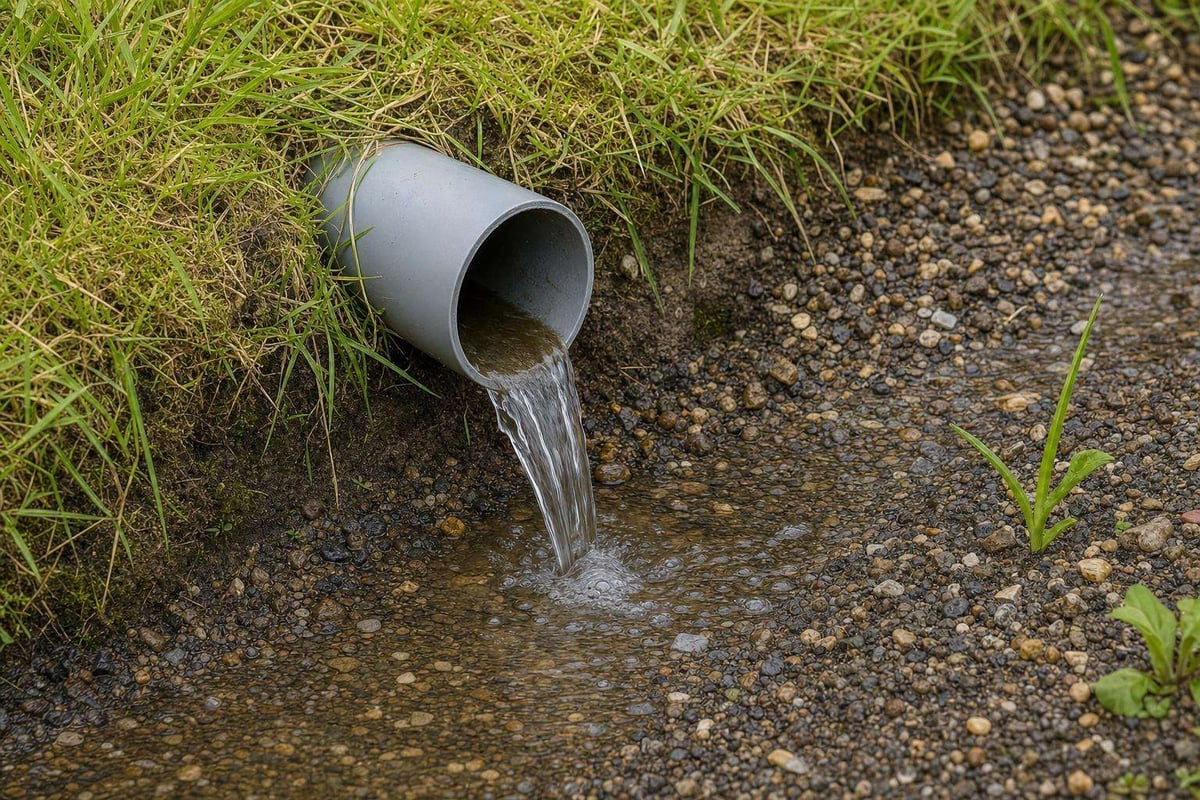
Das Rückspülwasser eines Chlorpools enthält Restchlor und Desinfektionsnebenprodukte. Dieses Wasser darf nicht einfach in eine Sickergrube oder einen Wasserlauf eingeleitet werden. In der Regel ist ein Anschluss an die öffentliche Kanalisation erforderlich, wofür eine Genehmigung der örtlichen Wasserbehörde benötigt wird, oder ein spezieller Wasserrückhaltebehälter, in dem das Abwasser vor der kontrollierten Entsorgung gespeichert wird. Beides erhöht die Kosten und den Aufwand für die Installation.
Mineral+Biome® erzeugt deutlich weniger Rückspülabwasser: etwa 150 Liter pro Woche, verglichen mit etwa 2.000 Litern pro Woche bei einem herkömmlichen Chlorpool. Da das Rückspülwasser weder Chlor noch chemische Rückstände enthält, kann es in der Regel in eine Sickergrube abgeleitet werden, vorbehaltlich der Bodenverhältnisse und der Vorgaben der örtlichen Behörden. Es lohnt sich, dies bereits in der Planungsphase mit Ihrem Poolbauer zu besprechen, da die Entwässerungsvorkehrungen sowohl die Gestaltung des Technikraums als auch die Spezifikation der Erdarbeiten beeinflussen.
In ökologisch sensiblen Gebieten, darunter solche in der Nähe von Wasserläufen, SSSIs oder Kalkbächen, kann ein Antrag für einen Chlorpool aufgrund der Einleitung von chlorhaltigem Rückspülwasser abgelehnt oder mit Auflagen versehen werden. Falls Ihr Standort in eine dieser Kategorien fällt, beseitigt ein chemiefreies Wasseraufbereitungssystem diesen planungsrechtlichen Einwand vollständig.
Wann eine Baugenehmigung für ein Poolhaus oder eine Überdachung erforderlich ist
Der Pool selbst gilt in der Regel als genehmigungsfreies Bauvorhaben. Errichtet man jedoch ein Bauwerk darüber, ändern sich die Vorschriften. Eine Poolüberdachung, ein Poolhaus oder ein Gebäude, das den Pool überdeckt, wird nach den Vorschriften für Nebengebäude und nicht nach denen für Gartenpools bewertet, wobei strengere Auflagen gelten: Höhenbeschränkungen, maximale Grundfläche und die Nähe zum Haupthaus spielen dabei eine Rolle.
Ist die Poolüberdachung an das Haus angebaut, kann sie als Anbau statt als Nebengebäude behandelt werden, was wiederum andere Vorschriften zur Folge hat. Holen Sie für jeden überdachten oder umschlossenen Pool spezifische baurechtliche Beratung ein, bevor Sie den Entwurf fertigstellen.
Bauvorschriften vs. Baugenehmigung
Baugenehmigung und Bauordnung sind zwei getrennte Genehmigungssysteme, und die Erfüllung der einen bedingt nicht automatisch die Erfüllung der anderen. Viele Bauanträge erhalten die Genehmigung für eine „erlaubte Bebauung“, während die Bauordnung noch völlig ungeklärt ist.
Ein Außenpool allein wird normalerweise nicht als Gebäude betrachtet, sodass für die Poolkonstruktion selbst in der Regel keine Genehmigung gemäß den Bauvorschriften erforderlich ist. Das ändert sich jedoch in dem Moment, in dem Sie ein Poolhaus oder eine Überdachung hinzufügen oder auf ein Hallenbad umstellen. Diese gelten als Gebäude, und die Bauaufsicht muss vor Baubeginn die strukturelle Sicherheit, die Belüftung und die Fluchtwege überprüfen.
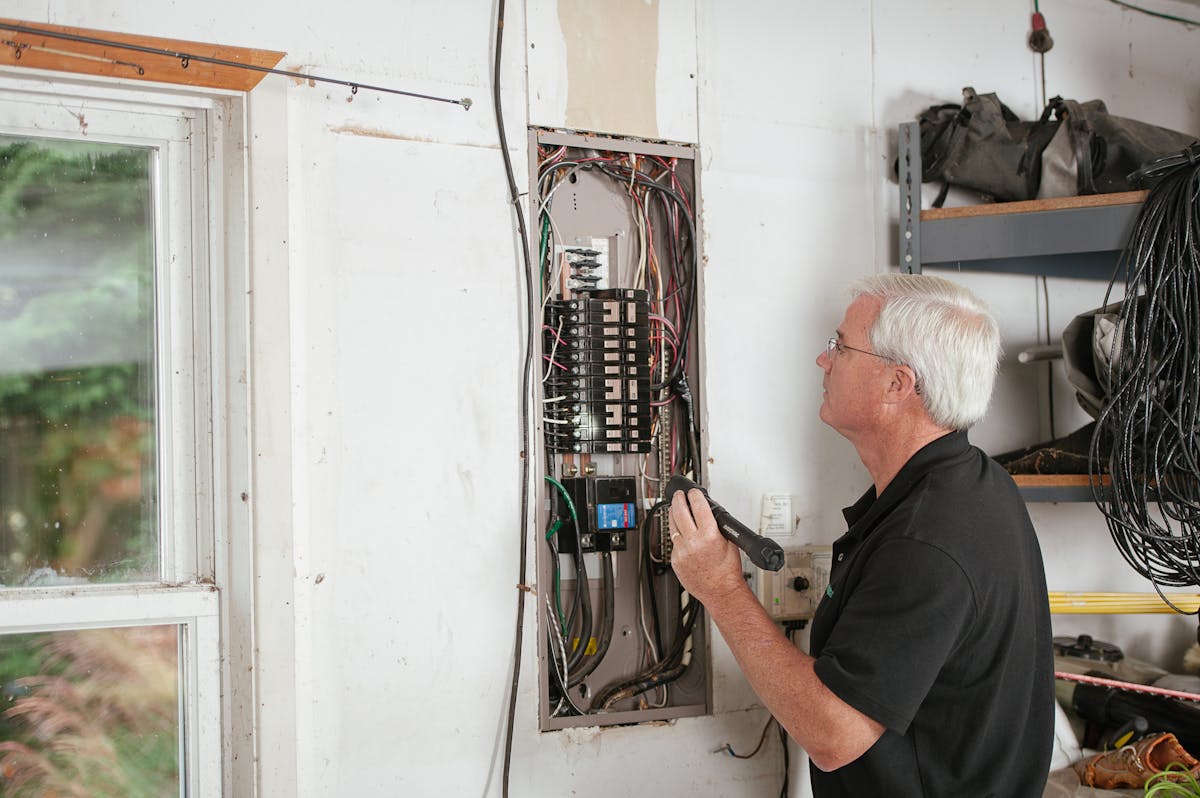
Elektroarbeiten sind der Teil, den viele übersehen. Pumpen, Heizungen, Filteranlagen und die Beleuchtung des Schwimmbeckens in der Nähe von Wasser fallen unter die elektrischen Sicherheitsvorschriften gemäß Teil P, unabhängig davon, ob für das Schwimmbecken selbst eine Baugenehmigung erforderlich war. Beauftragen Sie einen nach Teil P registrierten Elektriker und wenden Sie sich frühzeitig an die Bauaufsichtsbehörde Ihrer Gemeinde, wenn ein Poolhaus oder ein Hallenbad Teil des Plans ist. Die Nachrüstung zur Einhaltung der Bauvorschriften nach Fertigstellung des Bauwerks ist weitaus aufwändiger, als dies von Anfang an bei der Planung zu berücksichtigen.
Schwimmbadgrößen in Großbritannien: Was frühzeitig zu entscheiden ist
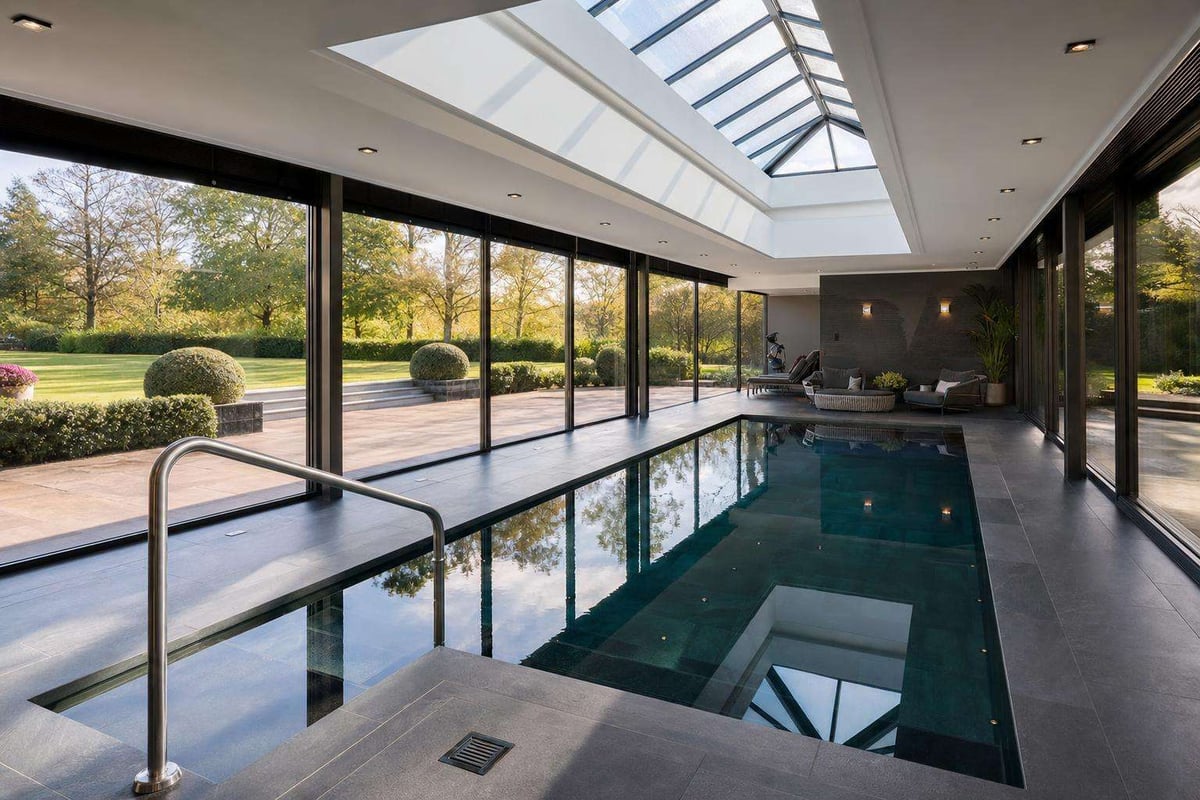
Sobald die Planung feststeht, ist die Größe die nächste Entscheidung, und sie wirkt sich auf fast alles Ausgehende aus: Kosten, Heizbedarf, Dimensionierung der Filteranlage und die oben genannten Schwellenwerte für genehmigungsfreie Bauvorhaben.
Ein typischer Privatpool in Großbritannien ist zwischen etwa 8 mal 4 Metern und 12 mal 6 Metern groß. Bei einer Größe unter 8 mal 4 Metern geht der praktische Nutzen eines Schwimmbeckens zugunsten eines Tauchbeckens verloren. Bei einer Größe über 12 mal 6 Metern steigen die Anforderungen an Heizung, Betriebskosten und Filteranlage erheblich an.
Auch die Tiefe spielt eine Rolle. Eine gleichbleibende Tiefe von 1,2 bis 1,5 Metern eignet sich für die meisten Freizeitnutzungen. Wenn Sie einen tiefen Bereich zum Tauchen wünschen, müssen Sie mit mindestens 1,8 Metern rechnen, was zusätzliche Aushubkosten verursacht und Auswirkungen auf die baulichen Anforderungen hat.
Wie lange dauert der Bau eines Schwimmbeckens in Großbritannien?
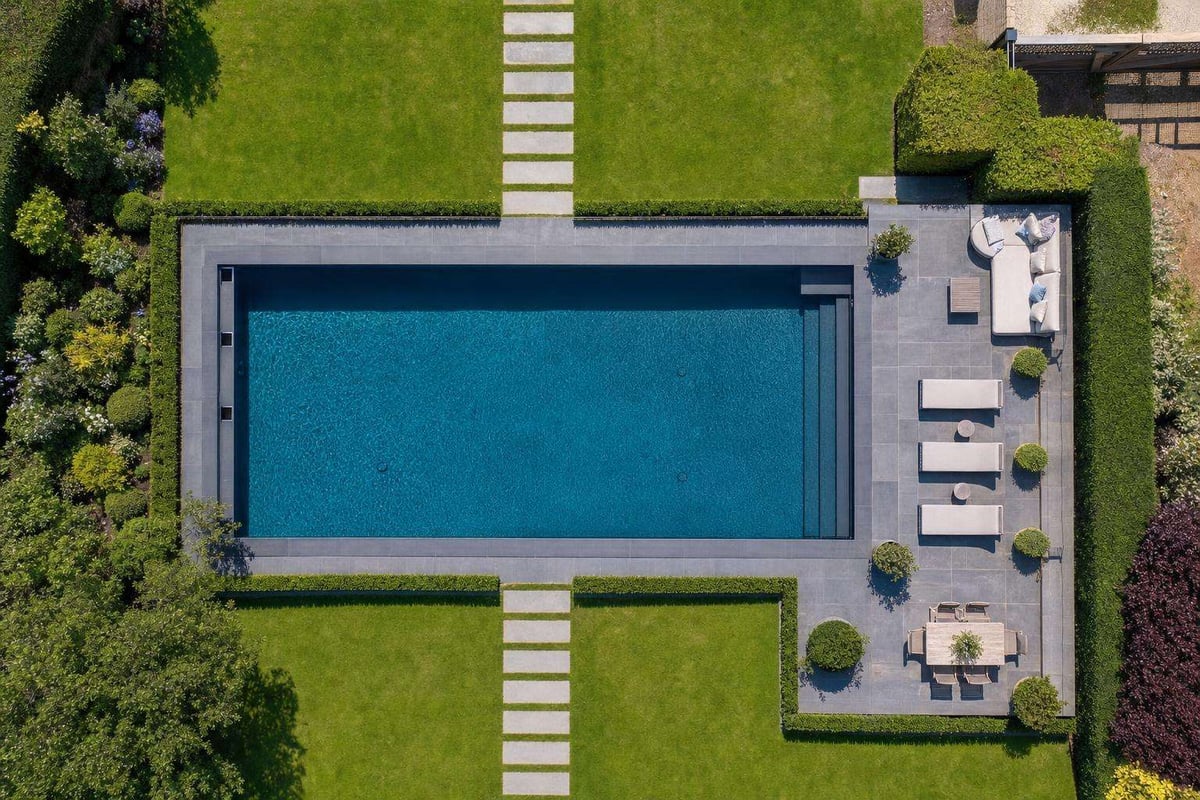
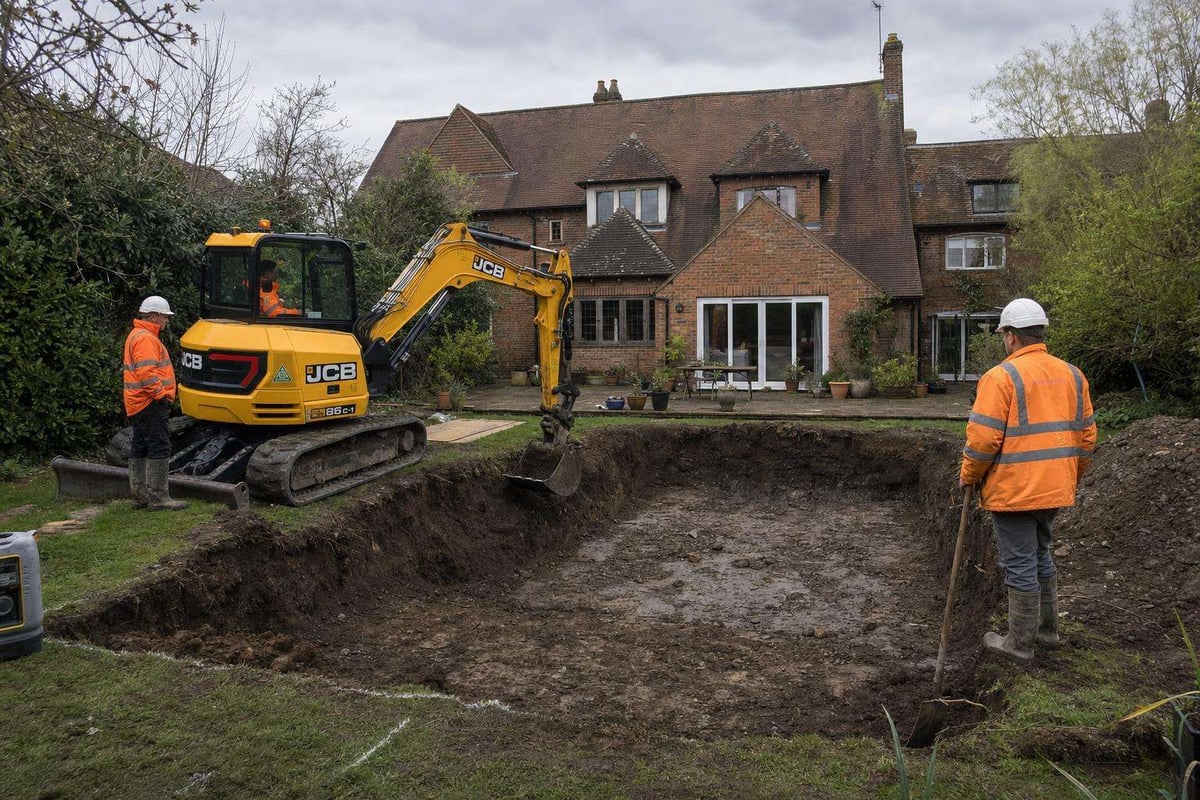
Der Bau der meisten privaten Schwimmbäder in Großbritannien dauert 8 bis 16 Wochen, sobald die Erdarbeiten beginnen. Betonbau dauert länger als Glasfaserbau. Bei Hallenbädern kommen zusätzliche Bauarbeiten hinzu, sodass die Bauzeit eher am oberen Ende dieses Zeitraums liegt.
Hinzu kommt die Zeit für die Einholung einer Baugenehmigung, falls erforderlich (8 bis 13 Wochen für einen Standardantrag), sowie die Planungs- und Auslegungsphase vor Beginn der Erdarbeiten. Realistisch gesehen sollten Sie bei einem unkomplizierten Projekt von der ersten Entscheidung bis zum ersten Bad 6 bis 12 Monate einplanen. Hallenbäder, denkmalgeschützte Gebäude und komplexe Baustellen dauern länger, und Ausstattungsmerkmale wie ein Infinity-Rand verlängern die Bauzeit zusätzlich, da der Bau hier besondere Präzision erfordert.
So finden Sie einen Schwimmbadbauer in Großbritannien: Worauf Sie achten sollten
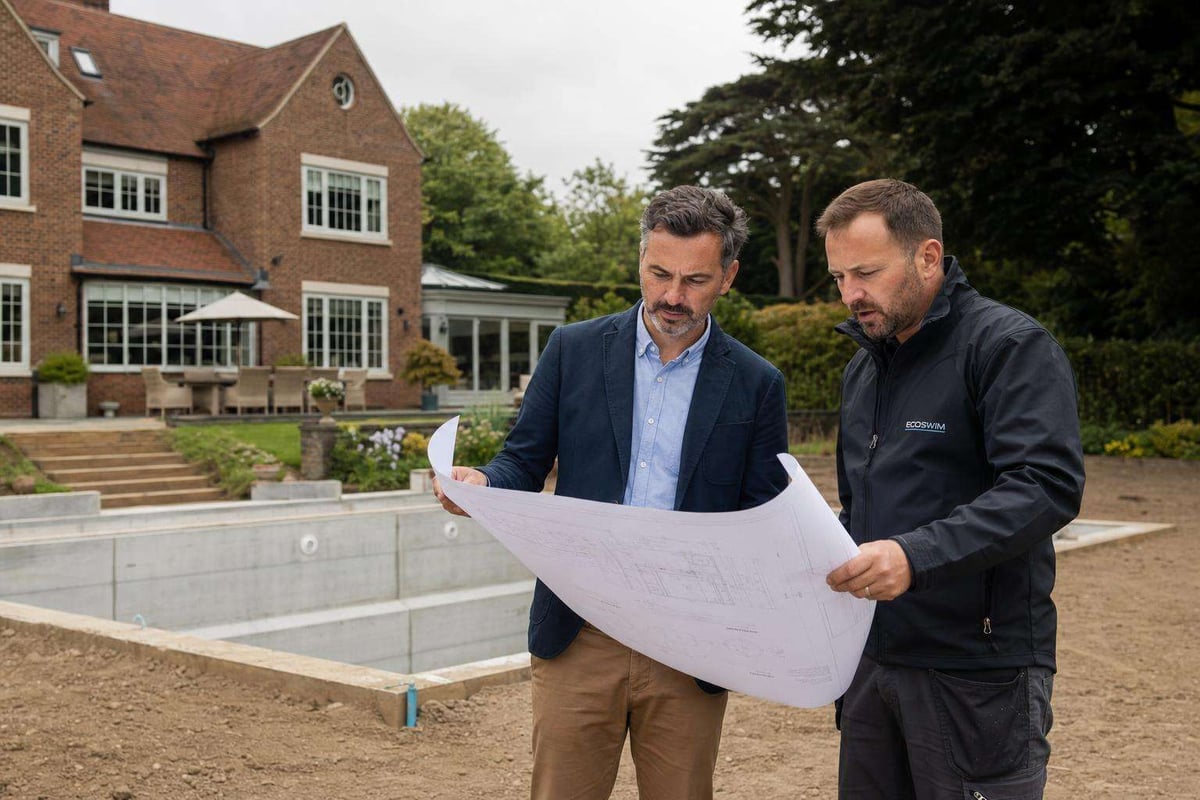
Die Mitgliedschaft in einem Branchenverband ist der Ausgangspunkt. Sowohl die SPATA (Swimming Pool and Allied Trades Association) als auch die BISHTA (British and Irish Spa and Hot Tub Association) führen Verzeichnisse mit geprüften Mitgliedern. Ein bei der SPATA registrierter Bauunternehmer hat sich zur Einhaltung eines Verhaltenskodex verpflichtet und verfügt über eine vorgeschriebene Versicherung.
Über die Überprüfung des Verzeichnisses hinaus sind folgende Fragen entscheidend, um gute von durchschnittlichen Bauunternehmen zu unterscheiden:
- Welche Unterstützung bei der Inbetriebnahme bieten Sie nach der Übergabe an?
- Wer ist im ersten Jahr für Probleme mit der Wasserchemie verantwortlich?
- Welches Wasseraufbereitungssystem empfehlen Sie und warum?
- Kann ich mit einem früheren Kunden sprechen, der ein ähnliches Projekt hatte?
- Was umfasst die Mängelsuche?
Die Frage der Wasseraufbereitung ist wichtiger, als den meisten Menschen bewusst ist. Lesen Sie weiter.
Die Entscheidung zur Wasseraufbereitung: Treffen Sie sie, bevor der Beton aushärtet
Wochen werden für Fliesen, Heizung und Beleuchtung aufgewendet. Kaum jemand denkt über die Wasseraufbereitung nach, bis der Pool fast fertig ist. Das ist die Entscheidung, die man am ehesten bereuen wird.
Sobald der Pool gebaut und mit einem Chlorsystem in Betrieb genommen wurde, ist ein Wechsel zu einem anderen Wasseraufbereitungsverfahren zwar möglich, stellt jedoch eher einen separaten Installationsaufwand dar als eine Planungsentscheidung. Der kostengünstigste und nahtloseste Weg zu chemiefreiem Wasser ist, dies von Anfang an festzulegen, bevor die Anordnung des Technikraums endgültig festgelegt wird.
Origin Aqua ist ein unabhängiger Spezialist für Wasserqualität, kein Schwimmbadbauer. Wir haben kein finanzielles Interesse daran, welchen Bauunternehmer Sie beauftragen oder für welche Bauweise Sie sich entscheiden. Unsere Aufgabe ist es, Sie speziell zur Wasseraufbereitung zu beraten: welche Optionen es gibt, wie diese im Vergleich zueinander abschneiden und was Sie in Ihrem Bauauftrag festlegen sollten. Lesen Sie mehr darüber, wie das System funktioniert, auf unserer Seite zur Schwimmbad-Filtertechnik, oder sehen Sie sich den Leitfaden zur Nachrüstung an, falls Ihr Schwimmbad bereits gebaut ist.
Häufig gestellte Fragen
Benötige ich in Großbritannien eine Baugenehmigung, um einen Swimmingpool zu bauen?
In den meisten Fällen in England nein. Ein Außenpool an einem Privathaus gilt als genehmigungsfreies Bauvorhaben, sofern er folgende Bedingungen erfüllt: Er darf nicht näher als 2,5 Meter an eine Grundstücksgrenze liegen, weniger als 50 % der Gartenfläche einnehmen und nicht auf einem denkmalgeschützten Grundstück oder in einem Schutzgebiet errichtet werden. In Schottland, Wales und Nordirland gelten gesonderte Vorschriften. Erkundigen Sie sich im Zweifelsfall bei Ihrer örtlichen Baubehörde.
Wie nah darf ein Schwimmbecken in Großbritannien an einem Haus liegen?
Nach den Vorschriften für genehmigungsfreie Bauvorhaben in England gibt es keinen Mindestabstand zwischen einem Schwimmbecken und dem Haus selbst. Die 2,5-Meter-Regel gilt für die Grundstücksgrenze, nicht für das Haus. Befindet sich Ihr Schwimmbecken jedoch sehr nahe am Haus, gewinnen bauliche und entwässerungstechnische Aspekte an Bedeutung und sollten von einem Bauingenieur geprüft werden.
Was besagt die 2,5-Meter-Regel für Schwimmbecken?
Die 2,5-Meter-Regel regelt die Höhe von Bauwerken in der Nähe von Grundstücksgrenzen, nicht den Abstand des Schwimmbeckens selbst zur Grundstücksgrenze. Konkret darf jedes Gebäude oder jede Einfriedung, das bzw. die sich innerhalb von 2 Metern zur Grundstücksgrenze befindet, eine Höhe von 2,5 Metern nicht überschreiten. Ein Schwimmbecken hat keine Höhe, daher betrifft diese Regel in erster Linie Poolhäuser und Einfriedungen und nicht das Schwimmbecken selbst.
Benötigt ein Poolhaus eine Baugenehmigung?
Ja, in der Regel. Ein Poolhaus oder eine Überdachung wird als Nebengebäude und nicht als Gartenpool eingestuft, weshalb strengere Vorschriften gelten. Höhe, Grundfläche und die Nähe zum Haupthaus beeinflussen, ob eine genehmigungsfreie Errichtung möglich ist. Für jeden überdachten oder umzäunten Pool sollten Sie sich spezifisch baurechtlich beraten lassen.
Wie lange dauert der Bau eines Schwimmbeckens in Großbritannien?
Rechnen Sie mit 8 bis 16 Wochen Bauzeit ab Beginn der Erdarbeiten. Rechnen Sie weitere 8 bis 13 Wochen hinzu, wenn eine Baugenehmigung erforderlich ist, zuzüglich der Zeit für Planung und Spezifikation. Ein realistischer Zeitrahmen von der ersten Entscheidung bis zum ersten Bad beträgt bei einem unkomplizierten Wohnprojekt 6 bis 12 Monate.
Was sollte ich einen Schwimmbadbauer fragen, bevor ich ihn beauftrage?
Prüfen Sie die Mitgliedschaft bei SPATA oder BISHTA, bitten Sie um Referenzen aus vergleichbaren Projekten und erkundigen Sie sich gezielt nach der Wasseraufbereitung: Welches System wird empfohlen, wer kümmert sich im ersten Jahr um Probleme mit der Wasserchemie und welche Unterstützung bei der Inbetriebnahme ist nach der Übergabe inbegriffen? Die Entscheidung zur Wasseraufbereitung wird im Prozess meist zu spät getroffen.
Wir bauen keine Schwimmbäder. Wir beraten bei der Entscheidung zur Wasseraufbereitung – genau hier liegt unsere Expertise, und hier bestehen für uns keine Interessenkonflikte. Wenn Sie sich in der Planungsphase befinden und eine unabhängige Einschätzung zu den Wasseraufbereitungsoptionen für Ihr neues Schwimmbad wünschen, kontaktieren Sie uns, und wir geben Ihnen eine ehrliche Einschätzung.
Ein Hinweis zur Terminologie: Wenn Origin Aqua von chemiefreien Schwimmbadsystemen spricht, meinen wir damit, dass keine Desinfektionschemikalien verwendet werden und keine chemischen Rückstände im Schwimmwasser verbleiben. Spuren von Phosphatregulierungsmitteln werden automatisch eingesetzt und hinterlassen nach der Rückspülung keine Rückstände. Lesen Sie unsere vollständige Definition.
So heizt man ein Schwimmbad: Alle Methoden im Vergleich

Was ist ein Naturpool? Arten, Kosten und ein Vergleich mit einem Schwimmteich

No Comments Yet
Let us know what you think